Rechercher dans Standen & Landen

28 September 2020

LEZING/COURS-CONFÉRENCE: ‘Schelmen, Schurken & Schavuiten’ (Werkgroep Achttiende Eeuw) (6 OCT 2020; ONLINE)

In het najaar van 2020 organiseert de Belgisch-Nederlandse Werkgroep Achttiende Eeuw een reeks online lezingen. Op 6 oktober bijt Elwin Hofman de spits af als gastredacteur van het nieuwe jaarboek De Achttiende Eeuw. In dit jaarboek gaan tien auteurs op zoek naar achttiende-eeuwse schurken, schelmen en schandalen. Ze buigen zich vanuit verschillende disciplinaire achtergronden over diverse aspecten van libertinisme, criminaliteit en strafrecht, en geven op een vernieuwende manier aandacht aan de meerduidigheid en grilligheid van macht en aan de rol van lichamen, ervaringen en emoties.


(Bron/source: Werkgroep Achttiende Eeuw)

In dit webinar gaat Elwin Hofman in gesprek met drie auteurs die aan het themadossier meewerkten. Ze vertellen hun favoriete schurkse, schelmse of schandalige achttiende-eeuwse anekdote en tonen wat die bijdraagt aan onze kennis van de achttiende eeuw.

Elwin Hofman (KU Leuven) leidt het themadossier in en wijst op enkele spannende nieuwe tendensen in de geschiedschrijving van criminaliteit en strafrecht. Hij gaat daarna in gesprek met enkele auteurs.

Dirk Lueb (Universiteit Antwerpen) vertelt hoe Jean Baptiste Peeters in 1803 zijn eerste geschoten haas van het jaar aan zijn opdrachtgever aanbood – en wat ons dat leert over vertrouwensrelaties onder smokkelaars.

Vervolgens vertelt Renée Vulto (Universiteit Gent) hoe de prinsgezinden in 1787 met het lied op de tong en de bijl in de hand ten strijde trokken – en hoe liederen wel vaker de soundtrack van protesten zijn.

Ten slotte heeft Kevin Dekoster (Universiteit Gent) het over een verkrachtingszaak uit 1713, waarin de verdediging het medisch onderzoek door vroedvrouwen aanviel. Dat vertelt ons veel, toont hij, over de strijd om expertise in de vroegmoderne rechtbank.

Het webinar zal plaatsvinden op dinsdag 6 oktober tussen 17.00 en 18.00. Je kan je gratis registreren via deze link.

--------------------------------------------

 À l'automne 2020, le groupe de travail belgo-néerlandais sur le XVIIIe siècle organisera une série de conférences en ligne. Le 6 octobre, Elwin Hofman ouvrira la voie en tant qu'éditeur invité du nouvel annuaire The Eighteenth Century. Dans cet annuaire, dix auteurs partent à la recherche des méchants, des canailles et des scandales du XVIIIe siècle. Ils examinent divers aspects du libertinage, de la criminalité et du droit pénal dans des contextes disciplinaires différents et, de manière innovante, prêtent attention à l'ambiguïté et au caractère capricieux du pouvoir ainsi qu'au rôle des corps, des expériences et des émotions.

Dans ce webinaire, Elwin Hofman s'entretient avec trois auteurs qui ont collaboré au dossier thématique. Ils racontent leur anecdote favorite du XVIIIe siècle, qu'elle soit vilaine, intrigante ou scandaleuse, et montrent ce qu'elle apporte à notre connaissance du XVIIIe siècle.

Elwin Hofman (KU Leuven) présente le dossier thématique et signale quelques nouvelles tendances passionnantes dans l'historiographie de la criminalité et du droit pénal. Il entre ensuite en discussion avec plusieurs auteurs.

Dirk Lueb (Université d'Anvers) raconte comment Jean Baptiste Peeters a offert son premier lièvre abattu de l'année à son client en 1803 - et ce que cela nous apprend sur les relations de confiance entre contrebandiers.

Ensuite, Renée Vulto (Université de Gand) raconte comment les princes sont allés à la guerre en 1787 avec la chanson sur la langue et la hache à la main - et comment les chansons sont souvent la bande sonore des protestations.

Enfin, Kevin Dekoster (Université de Gand) parle d'une affaire de viol datant de 1713, dans laquelle la défense a attaqué la recherche médicale des sages-femmes. Cela nous en dit long, montre-t-il, sur la bataille pour l'expertise au sein de la cour moderne.

Le webinaire aura lieu le mardi 6 octobre entre 17h00 et 18h00. Vous pouvez vous inscrire gratuitement via ce lien.


Bron/source: Werkgroep Achttiende Eeuw

25 September 2020

DIGITALISERING/NUMÉRISATION: klassieke rechtsleer en rechtspraak/classiques de la doctrine juridique et de la jurisprudence (KU Leuven)

Sinds enige tijd plaatsen de goede mensen van de bibliotheek rechtsgeleerdheid van de KU Leuven klassieke rechtsgeleerde werken en oude jaargangen van tijdschriften online in open-access.

Naar eigen zeggen 'omdat het kon' en 'omdat we geen reden konden verzinnen het niet te doen'. Uitstekend geschikt voor rechtshistorici en eenieder met nostalgie naar zijn of haar eigen studiejaren.

U vindt de collectie hier terug.

(Bron/source: KUL)

Depuis quelque temps déjà, les bonnes gens de la bibliothèque de droit de la KU Leuven mettent en ligne des ouvrages juridiques classiques et d'anciens numéros de périodiques en libre accès.

Selon leurs propres termes, "parce que nous le pouvions" et "parce que nous ne voyions aucune raison de ne pas le faire". Excellent pour les historiens du droit et toute personne nostalgique de ses propres années d'études.

Vous pouvez trouver la collection ici.

24 September 2020

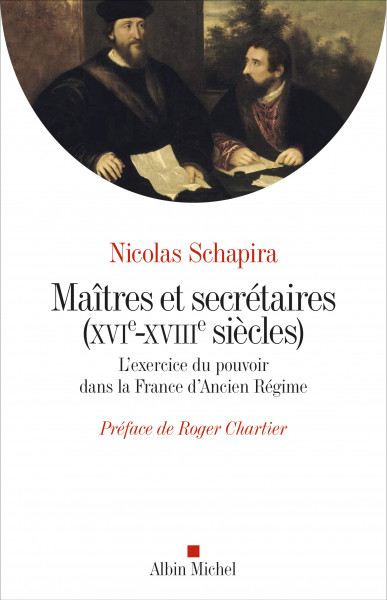
BOEK/OUVRAGE: Nicolas SCHAPIRA, Maîtres et secrétaires (XVIè - XVIIIè siècles). L'exercice du pouvoir dans la France d'Ancien Régime (Paris: Albin Michel, 2020), 336 p. ISBN 978-2-2264-5305-1, € 24

(bron/source afbeelding/image: univ-droit)

Samenvatting/résumé:
Secrétaire, secrétariat : une figure aujourd’hui omniprésente, une présence qui va de soi. Il fut un temps où le secrétaire était un domestique, un intime, gardien des secrets et des affaires privées de son maître. L’enquête de Nicolas Schapira met en lumière l’apparition de ce couple, où l’un décide tandis que l’autre conseille, écrit, et tient mémoire. C’est entre Renaissance et âge des Lumières, au moment où le papier devient le support de toute décision, que paraît ce personnage nouveau, pouvant être simple scribe comme conseiller des princes, reconnu pour son expertise. Quelle que soit sa condition, le secrétaire est une silhouette de l’ombre : des traités sont écrits pour louer son action et ses compétences, mais les contemporains dénoncent son influence excessive et son ubiquité. Associant les méthodes de l’histoire et des sciences sociales, ce livre raconte l’ascension d’un groupe qui ne s’identifiait ni à un métier ni à un statut, mais dont le pouvoir s’accrut à mesure que l’État se construisait sous l’Ancien Régime et qu’il pénétrait progressivement toutes les strates de l’administration, jusqu’à nos jours.

 Over de auteur/sur l'auteur:

Agrégé et docteur en histoire, Nicolas Schapira est professeur d’histoire moderne à l’Université Paris Ouest Nanterre. Il est l’auteur, notamment, de Un professionnel des lettres au XVIIe siècle. Valentin Conrart : une histoire sociale, Champ Vallon, 2003 ; et (en collaboration) de Histoire Littérature Témoignage. Écrire les malheurs du temps, Gallimard, 2009

(bron/source: univ-droit)

17 September 2020

OPROEP/APPEL: steunbrieven Bibliografie van de Geschiedenis van België/Lettres de soutien Bibliographie de l'histoire de Belgique (BGB-BHB)

Sinds 2012 verzorgt de Belgische Koninklijke Commissie voor Geschiedenis de Bibliografie van de geschiedenis van België. Ondanks de inspanning die deze jaarlijkse taak vereist - uitgevoerd door een enkel betaald personeelslid - is de financiering door de Commissie voor deze inspanning beperkt en onzeker. De afgelopen twee jaar heeft een subsidie van de Nationale Loterij verlichting gebracht, maar de sinds kort staat ook deze toelage op de helling, zodat het voortbestaan van de Bibliografie op korte termijn in het gedrang kan komen. 


(Bron/source: rbph-btfg.be)

Om de zaak van de Commissie voor de Nationale Loterij te versterken, vraagt Guy Vanthemsche, de secretaris van de Commissie, nu om steunbrieven. Hiervoor wordt gerekend op bijdragen van stemmen uit de binnen- en buitenlandse academische, culturele, en politieke wereld. Als u wenst bij te dragen tot het voortbestaan van de Bibliografie, kan zelfs een korte steunbetuiging helpen om de Nationale Loterij te overtuigen van het belang van de Bibliografie voor het historisch onderzoek.

Het dossier van de Commissie moet voor het midden van volgende maand - oktober worden ingediend. Steunbetuigingen kunnen worden gemaild naar guy.vanthemsche@vub.be.

------------------------------------------------------

Depuis 2012, la Commission royale d'Histoire de Belgique fournit la Bibliographie de l'Histoire de Belgique. Malgré l'effort requis pour cette tâche annuelle - effectuée par un seul membre du personnel rémunéré - le financement de cet effort par la Commission est limité et incertain. Au cours des deux dernières années, une subvention de la Loterie Nationale a permis de soulager la situation, mais cette subvention a récemment été remise en cause, ce qui pourrait mettre en péril la survie de la Bibliographie à court terme.

Afin de renforcer le dossier de la Commission nationale des loteries, Guy Vanthemsche, le secrétaire de la Commission, demande maintenant des lettres de soutien. À cette fin, on attend des contributions des milieux universitaires, culturels et politiques nationaux et étrangers. Si vous souhaitez contribuer à la pérennité de la Bibliographie, même une brève déclaration de soutien peut aider à convaincre la Loterie Nationale de l'importance de la Bibliographie pour la recherche historique.

Le dossier de la Commission devrait être soumis avant le milieu du mois prochain - octobre. Les déclarations de soutien peuvent être envoyées par courrier électronique à guy.vanthemsche@vub.be.


7 September 2020

OUVRAGE/BOEK: Arthur BENZ, Stephan BRÖCHLER & Hans-Joachim LAUTH (Hg.), Handbuch der europäischen Verfassungsgeschichte im 20. Jahrhundert. Institutionen und Rechtspraxis im gesellschaftlichen Wandel. Band 5: Seit 1989 (Bonn: Dietz, 2020), 1752 p. ISBN 9783801242510, € 210


(image source: Dietz)

Abstract:
Der vorliegende Band 5 bildet den Abschluss der Handbuchreihe zur Verfassungsgeschichte im 20. Jahrhundert. Beginnend mit den Umwälzungen von 1989/90 veranschaulicht er bis in die 2010er-Jahre hinein das Spannungs- und Wechselverhältnis zwischen der einzelstaatlichen Verfassungsentwicklung sowie der Ausbildung einer supranationalen Verfassungsebene. Die Herausgeber betrachten neben formalen und materiellen Aspekten auch die faktische Ausprägung der Verfassungen. Die 48 Länderbeiträge decken das gesamte geografische Europa einschließlich Russlands, der zentralasiatischen Nachfolgestaaten der Sowjetunion, der Türkei und der EU-Institutionen ab. Dabei eröffnet das einheitliche Gliederungsschema einen vergleichenden Zugang zur europäischen Verfassungsentwicklung seit der Wiedervereinigung Deutschlands und legt somit den Grundstein für künftige komparatistische Forschungen.

Meer informatie/davantage d'information: Dietz.

(Bron/source: ESCLH Blog) 


3 September 2020

BOEK/OUVRAGE: : Werner DAUM (Hg., mit Peter BRANDT, Martin KIRSCH & Arthur SCHLEGELMILCH), Handbuch der europäischen Verfassungsgeschichte im 19. Jahrhundert. Rechtspraxis und Institutionen im Wandel. Band 3: 1848-1870 (Bonn: Dietz, 2020), 1536 p. 978-3-8012-4142-1, € 198


(image source: Dietz)

Abstract:
Der vorliegende Band 3 setzt die vorangegangene Betrachtung der verfassungsgeschichtlichen Entwicklung Europas im 19. Jahrhundert fort: Die 28 Länderartikel eröffnen dank ihres einheitlichen Gliederungsschemas einen vergleichenden Zugang zur europäischen Verfassungsentwicklung 1848–1870. In ihrer ausführlichen Einleitung legen die Herausgeber mit einer vergleichenden Synthese der Länderbeiträge die Grundlage für künftige komparatistische Forschungen. Der Band setzt mit der großen europäischen Revolutionswelle von 1848/49 ein und veranschaulicht bis 1870 die weitere Ausgestaltung des spannungsreichen Verhältnisses zwischen mehrheitlich monarchisch geprägter Staatsspitze und nach politischer Partizipation drängender Bürger- und Arbeiterschaft. Auf der Grundlage eines breiten Verfassungsbegriffs, der formale und materielle Verfassungsaspekte sowie ihre faktische Ausprägung umfasst, decken die 28 einheitlich gegliederten Länderbeiträge das gesamte geografische Europa einschließlich Russlands und des Osmanischen Reiches ab.

Bron/Source: ESCLH Blog 


28 August 2020

DOCTORAATSVERDEDIGING/SOUTENANCE DE THÈSE: Kaat CAPPELLE, De Strijd om de Broek. Vrouwen en Recht in het 16de-eeuwse Antwerpen (Brussel: VUB, 9 SEP 2020)

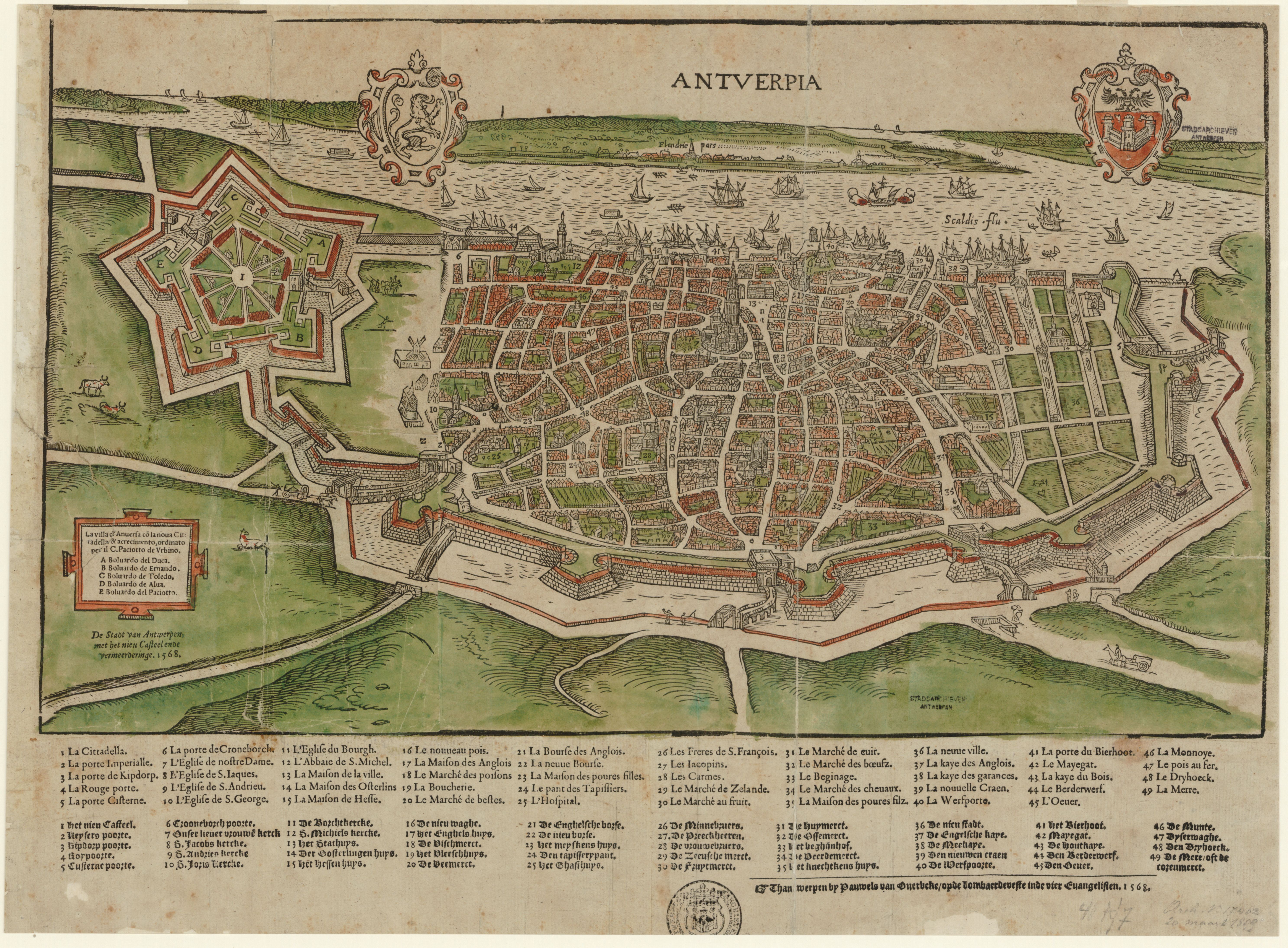
(image/afbeelding: Antwerpen/Anvers, 1568; bron/source: Felixarchief/Wikimedia Commons)

Mevr. Kaat CAPPELLE verdedigt op 9 september 2020 om 17:30 haar doctoraatsverhandeling De Strijd om de Broek. Vrouwen en Recht in het zestiende-eeuwse Antwerpen (promotor: Prof. dr. Dave De ruysscher). Deze verdediging gaat door in aula QA op de VUB-campus te Etterbeek. Gelet op de corona-maatregelen wordt de verdediging gestreamd op Microsoft Teams. Geïnteresseerden dienen zich verplicht aan te melden bij de kandidate tegen 7 september ten laatste.

Mlle Kaat CAPPELLE soutiendra sa thèse de doctorat De Strijd om de Broek. Vrouwen en Recht in het zestiende-eeuwse Antwerpen (sous la direction du Professeur Dave De ruysscher), le 9 septembre 2020 à 17:30 dans l'amphithéâtre QA au campus Etterbeek de la VUB. Vu les mesures de restriction covid, la soutenance sera diffusée en ligne par Microsoft Teams. Il est impératif de manifester son intérêt auprès de la candidate pour le 7 septembre au plus tard.

Jury:

  • Prof. dr. Manon Van der Heijden (Universiteit Leiden)
  • Prof. dr. Bram Van Hofstraeten (Maastricht University)
  • Prof. dr. Dirk Heirbaut (UGent/KVAB)
  • Prof. dr. Elisabeth Alofs (VUB/Universiteit Antwerpen)
  • Prof. dr. Heidi Deneweth (VUB)
  • Prof. dr. Dave De ruysscher (VUB/Tilburg) (promotor/directeur de thèse)
  • Prof. dr. Frederik Dhondt (VUB/Universiteit Antwerpen) (voorzitter/président)

24 August 2020

STANDEN & LANDEN-LEZING/CONFÉRENCE ANCIENS PAYS & ASSEMBLÉES D'ÉTATS: Prof. dr. Miroslav Šedivý (Univ. of Pardubice), 'The public response to international insecurity 1830–1848: The Europeans between the written law (Recht) and the law of the mightiest (Faustrecht)' (1 OCT 2020; 17:00; Microsoft Teams)


(image source: Miroslav Sedivy)

The public response to international insecurity 1830–1848: The Europeans between the written law (Recht) and the law of the strongest (Faustrecht)

The Congress of Vienna of 1814–1815 was a generally well-known attempt to ensure security and peace within the so-called family of European countries and nations. This goal was to be achieved by clearly defined legal engagements and a mutual willingness to settle international disputes in a peaceful way. A quarter century later, however, a considerable number of Europeans felt that the heritage of the congress was being eroded and that the world was becoming increasingly insecure.
This conviction was primarily caused by the abuse of power by the most powerful states at the expense of weaker ones in Europe as well as the former’s imperialist policies in overseas regions. The most influential in this respect was the great powers’ competition in the Near East which had significant negative repercussions on the relations among the great powers themselves and on the general peace in Europe, such as happened in late 1840 during the so-called Rhine Crisis when a military conflict in the Ottoman Empire provoked a general war scare on the Continent. What was symptomatic for the Rhine Crisis was the increasing mistrust in the great powers’ policies and in the stability of the whole structure of the post-Napoleonic states system: a growing number of Europeans no longer had faith in the functionality of this system and generally became convinced that the security of their own countries and other nations in the world where the rule of force (Faustrecht) dominated was to be best preserved by material strength. That is why this widespread reaction to the law-breaking in international affairs, resulting in international insecurity, was one of the important points in various political/national programmes and stimulated the pursuit of national unifications, well defensible frontiers, land and naval armaments and colonial adventures.

At the same moment, however, a great number of Europeans did not abandon the belief that the security of their homeland also depended on the quality of the whole European states system, which made a considerable number advocate a more normative approach: new international law was to be introduced to ensure the equality as well as more justice and peace in relations among all states. This request was popular not only among the adherents of the peace movement being on rise in the 1840s but also in the nationalist camps across the Continent; both groups proposed the reconstruction of the international order by introducing new principles of international law, being a real law of (free) nations, and the creation of a pan-European organisation in the form of either a monarchical confederation or a congress of nations. The paper’s principal goal is to introduce this at the first sight contradictory debate about law and power in international relations before the mid 19th century and explain not only its causes but also the reason of the failure to establish a new better international political-legal order in Europe.


Reservatie/réservation
De lezing wordt gehouden via Microsoft Teams. Gelieve uw aanwezigheid op voorhand te melden via standenenlanden@gmail.com, waarop u een link ontvangt via mail.

La conférence aura lieu par l'intermédiaire de Microsoft Teams. Veuillez signaler votre présence à l'avance via standenenlanden@gmail.com, après quoi vous recevrez un lien par courrier électronique.

21 August 2020

UITGESTELD/REPORTÉS: 23ste Belgisch-Nederlandse Rechtshistorische Dagen ROTTERDAM (2021)

De 23ste editie van het Belgisch-Nederlands Rechtshistorisch colloquium is uitgesteld naar 2021 om welbekende virusgerelateerde redenen.


La 23e édition du Colloque historique juridique belgo-néerlandais a été reportée à 2021 pour des raisons bien connues liées aux virus.

-------------------

Bron/source: Rechtshistorische Courant

SOUTENANCE DE THÈSE/DOCTORAATSVERDEDIGING: Christophe MAES (Leuven/Louvain, 18 SEPT 2020)

Openbare doctoraatsverdediging met het oog op het behalen van de graad van doctor in de rechten:

'Het soevereiniteitsbegrip in de Belgische Grondwet van 1831. Een rechtshistorisch onderzoek naar de betekenis van soevereiniteit voor de organisatie van de Belgische staatsmacht.'
 
De openbare verdediging vindt plaats op vrijdag 18 september 2020 om 17u en zal in beperkte kring doorgaan. De verdediging zal via livestream te volgen zijn op de volgende link: livestream.kuleuven.be (toegangscode 250051). Professoren dragen de toga.

Bron: KULeuven

Soutenance publique en vue de l'obtention du grade de docteur en droit: 'Het soevereiniteitsbegrip in de Belgische Grondwet van 1831. Een rechtshistorisch onderzoek naar de betekenis van soevereiniteit voor de organisatie van de Belgische staatsmacht.'

Door: dhr. Christophe MAES:.

Promotoren: Prof. dr. Stefan SOTTIAUX (co-promotor: Prof. dr. Raf GEENENS)
Jury: Prof. em. dr. Els WITTE (VUB), Prof. dr. Annelien DE DIJN (Rotterdam), Prof. dr. Christiand BEHRENDT (KUL/ULg), Prof. em. dr. Jacques Herbots (voorzitter)